The earliest collection of stele rubbings in China with over 1,000 stone tablets
Xi'an Beilin Museum Guide
If you need car charter or ticket booking services, please click Booking Page
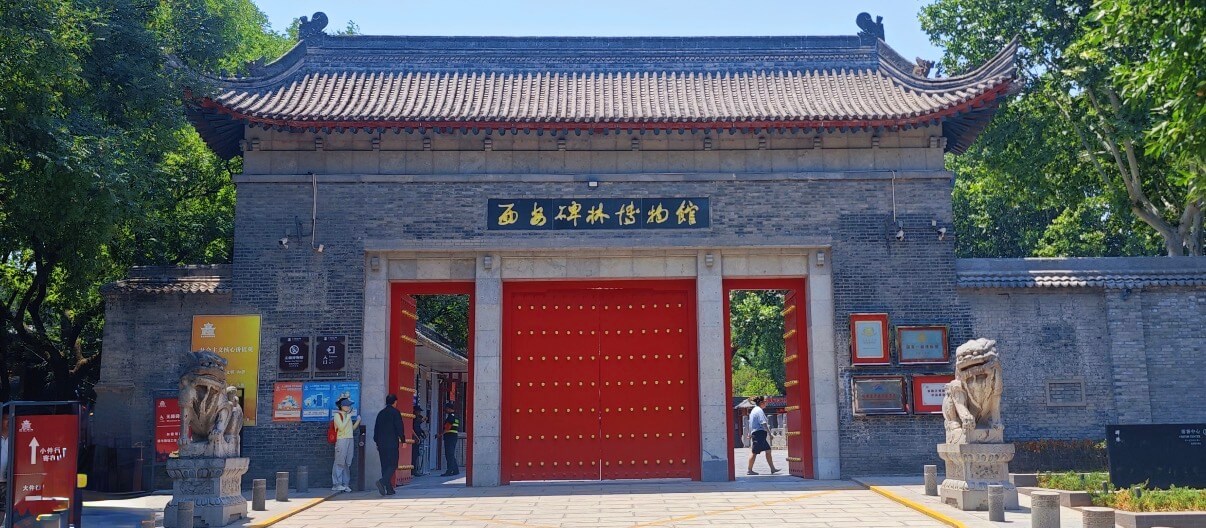
Xi'an Beilin Museum Overview
A comprehensive guide to the Xi'an Beilin Museum, China's premier stele and calligraphy museum.
The Xi'an Beilin Museum (西安碑林博物馆) is the earliest collection of stele rubbings in China, featuring over 1,000 stone tablets from the Han Dynasty onwards. Famous for the Stele of Nestorianism and the classic Xi'an Beilin (Forest of Steles) collection of calligraphy masterpieces, the museum is a paradise for anyone interested in Chinese calligraphy, epigraphy, or ancient stone inscriptions.
The museum's history dates back to 1087 when the Northern Song Dynasty scholar Lü Dalin collected steles to preserve them from destruction. Today, the collection includes steles from the Han, Wei, Sui, Tang, Song, Yuan, Ming, and Qing Dynasties, featuring works by famous calligraphers like Ouyang Xun, Yan Zhenqing, Liu Gongquan, and Su Shi. The Stele of Nestorianism (大秦景教流行中国碑) is particularly famous as it documents the early history of Christianity in China.
1,000+
Stone Steles
1087
Year Founded
Han
to Qing Dynasty
Beilin District, Xi'an
8:00 - 18:30 (peak season)
CNY 85 per person
Year-round
Museum Treasures (碑林镇馆之宝)
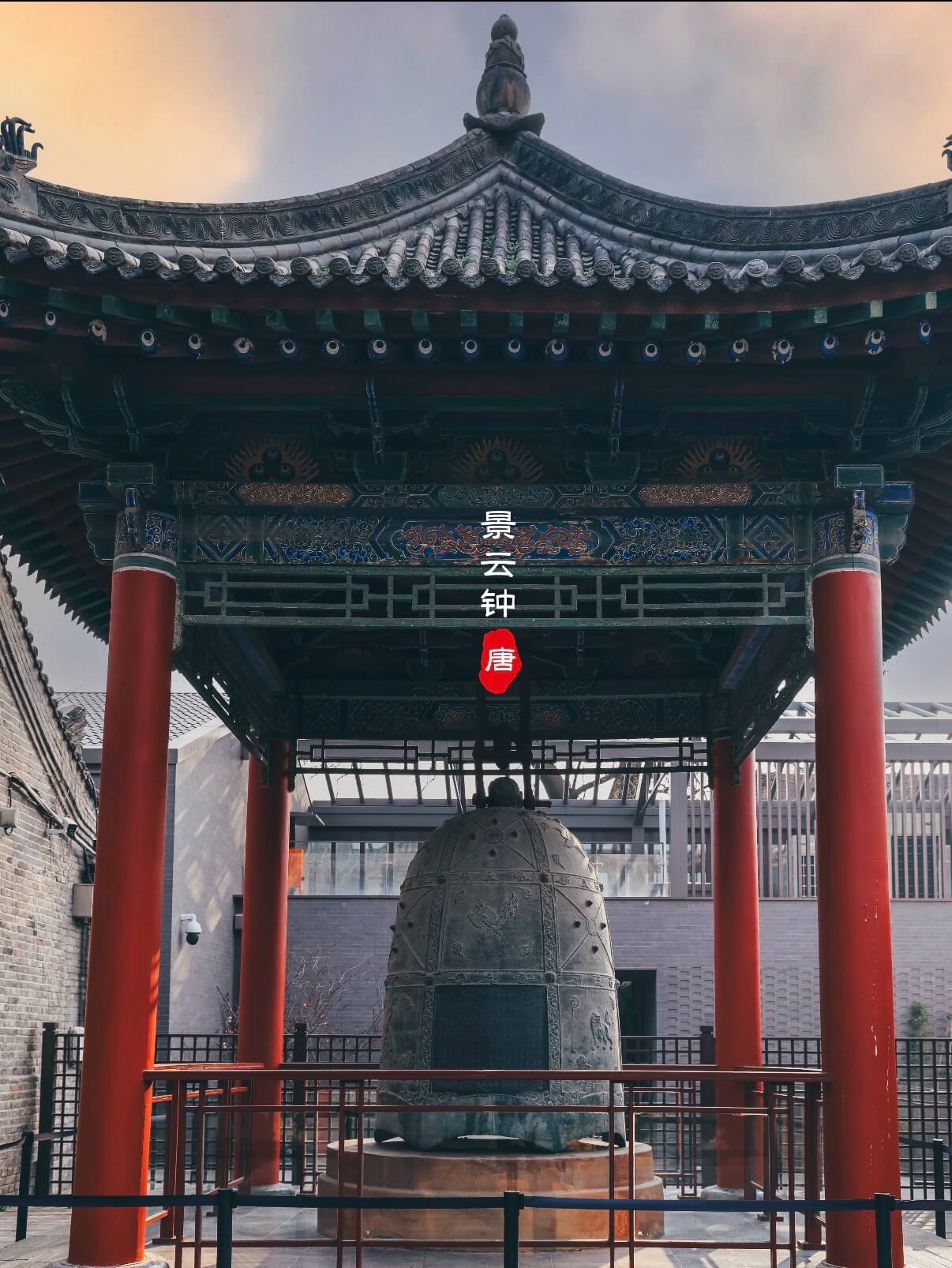
Jingyun Bell (景云钟): A bronze bell cast during the Tang Dynasty for the Jinglong Temple, known as the "Number One Bell Under Heaven". East side of the Confucian Temple.
Tips: One of the 195 artifacts prohibited from leaving China.
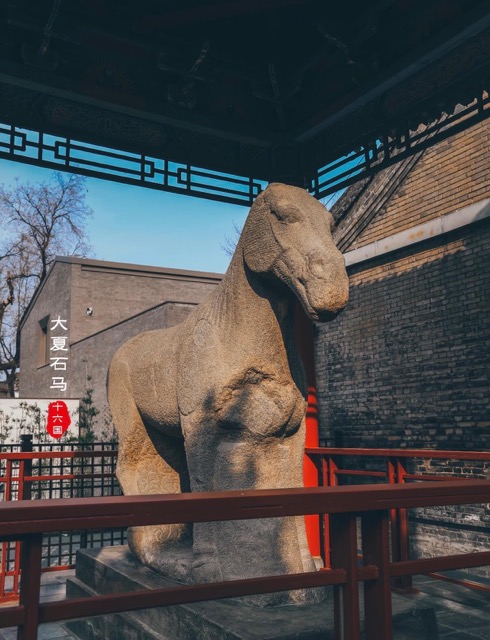
Daxia Stone Horse (大夏石马): A national treasure created in 424 AD by the Xiongnu Daxia regime (赫连氏). West side of the Confucian Temple.
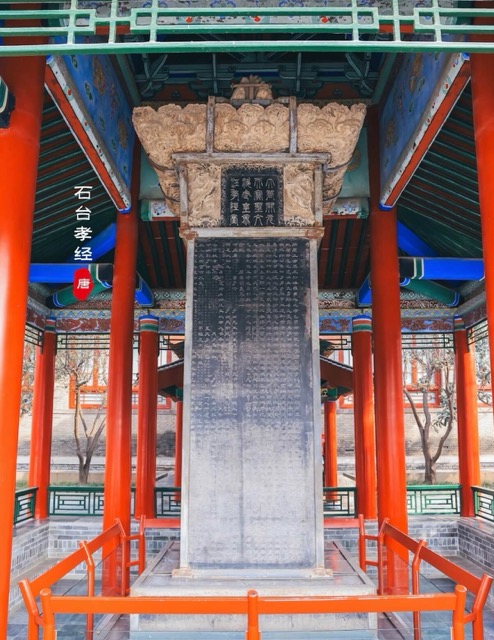
Shitai Xiaojing Stele (石台孝经): Preface and annotation by Emperor Xuanzong of Tang, calligraphed by him, with title seal by Crown Prince Li Heng (Emperor Suzong of Tang), supervised by Prime Minister Li Linfu. Stele Pavilion entrance.
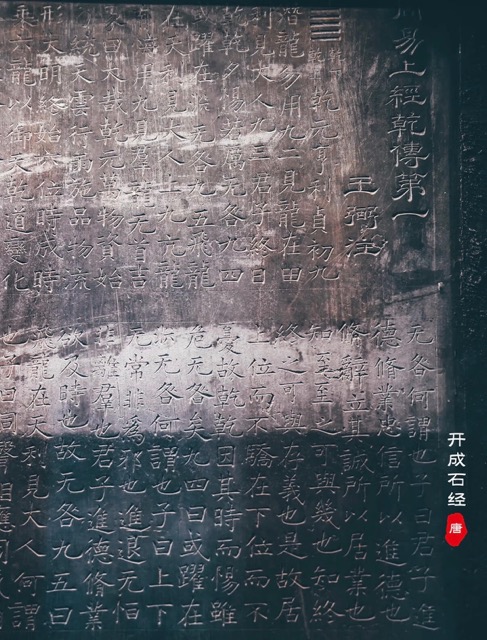
Kaicheng Stone Classics (开成石经): Includes 12 Confucian classics, originally erected at the Imperial Academy in Chang'an during the Tang Dynasty. Core area of Stele Pavilion.
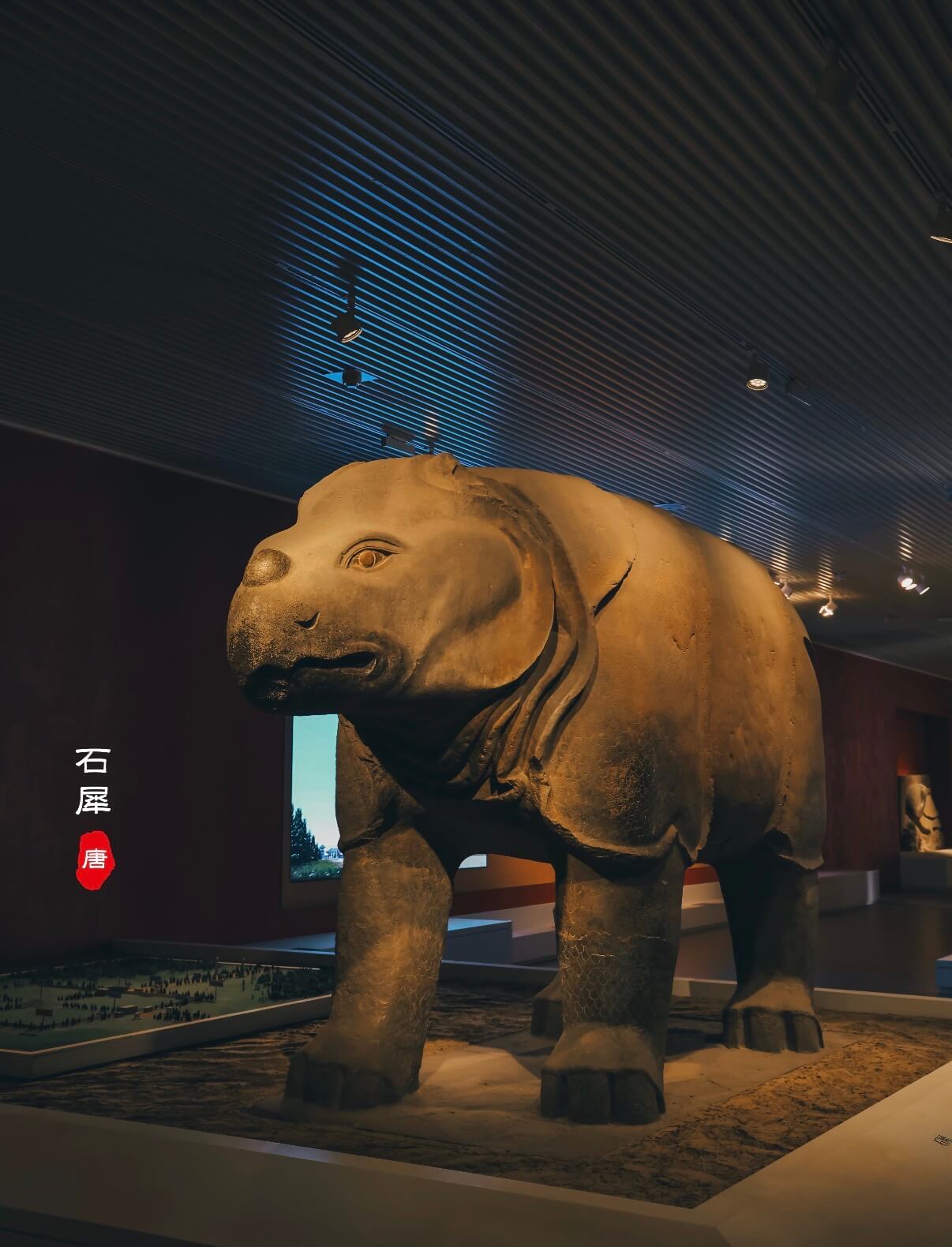
Stone Rhinoceros (石犀): Stone carving from the mausoleum of Li Yuan, the first emperor of the Tang Dynasty. Xi'an Stone Carving Art Hall.
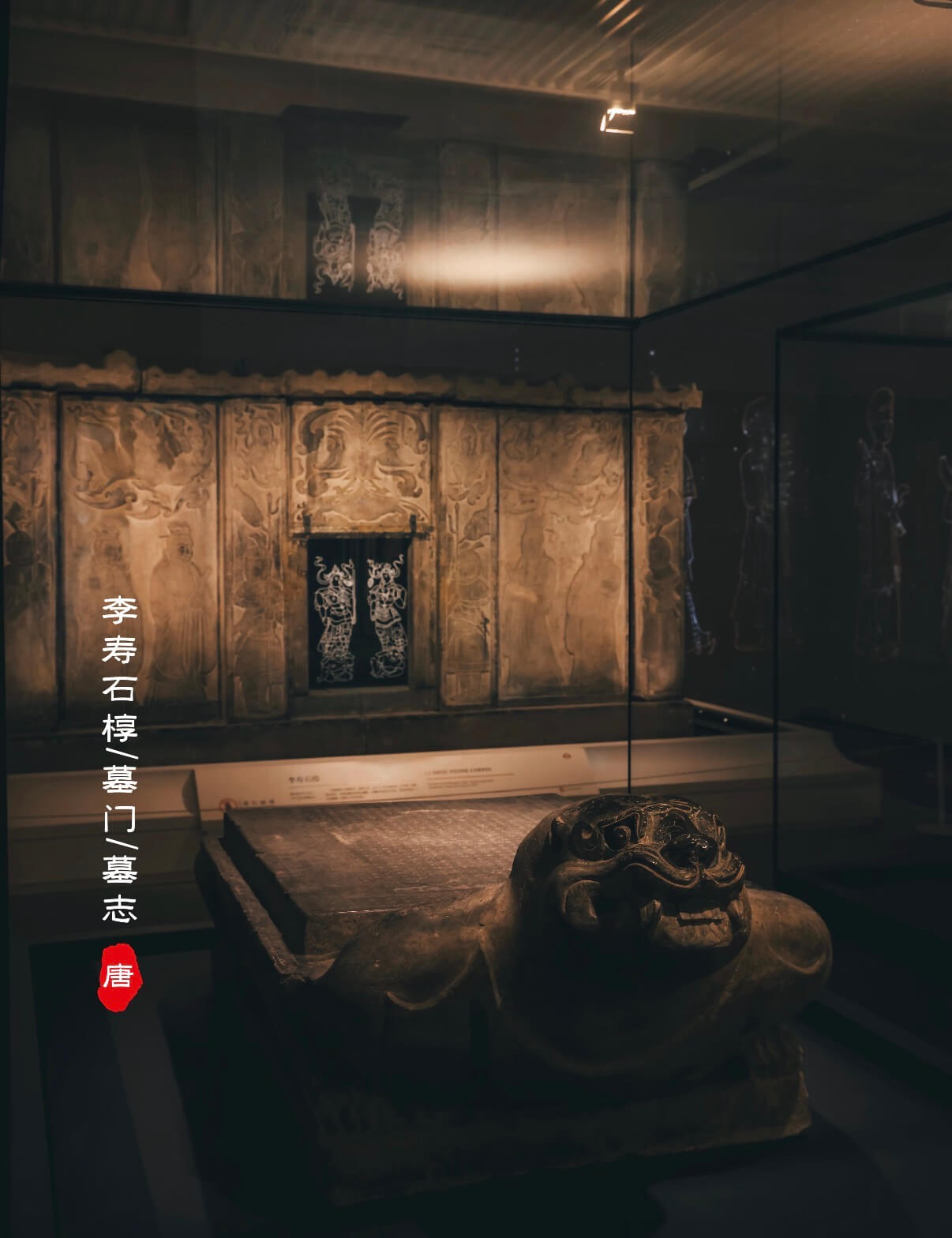
Li Shou's Stone Sarcophagus/Gate/Epitaph (李寿石椁·墓门·墓志): Three artifacts representing the pinnacle of early Tang Dynasty stone carving art; Li Shou was Li Yuan's younger cousin. Xi'an Stone Carving Art Hall.
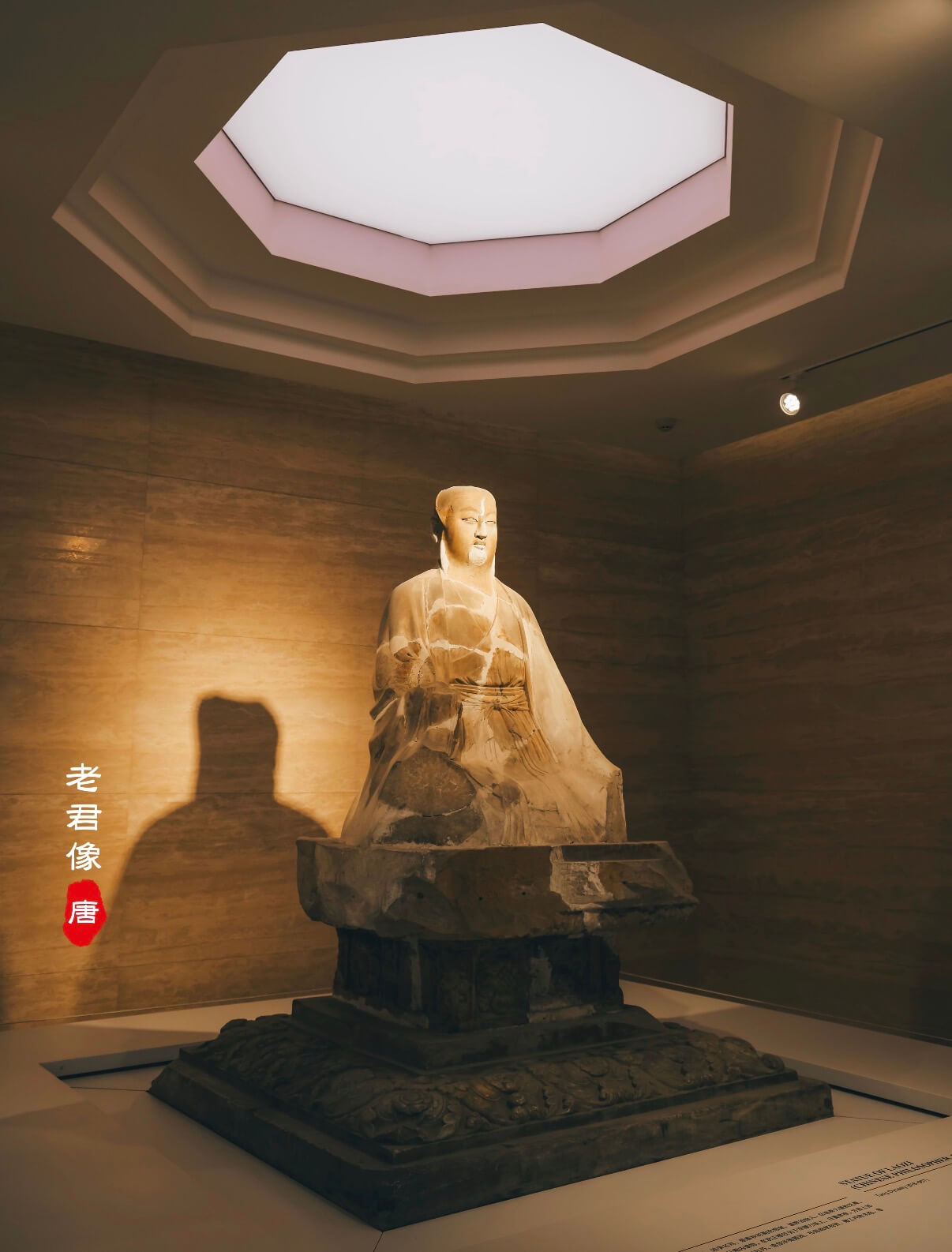
Statue of Lao Jun (老君像): Originally from the Huaqing Palace's Laojun Hall at Lishan, Lintong — once worshipped by Emperor Xuanzong of Tang. Xi'an Stone Carving Art Hall.
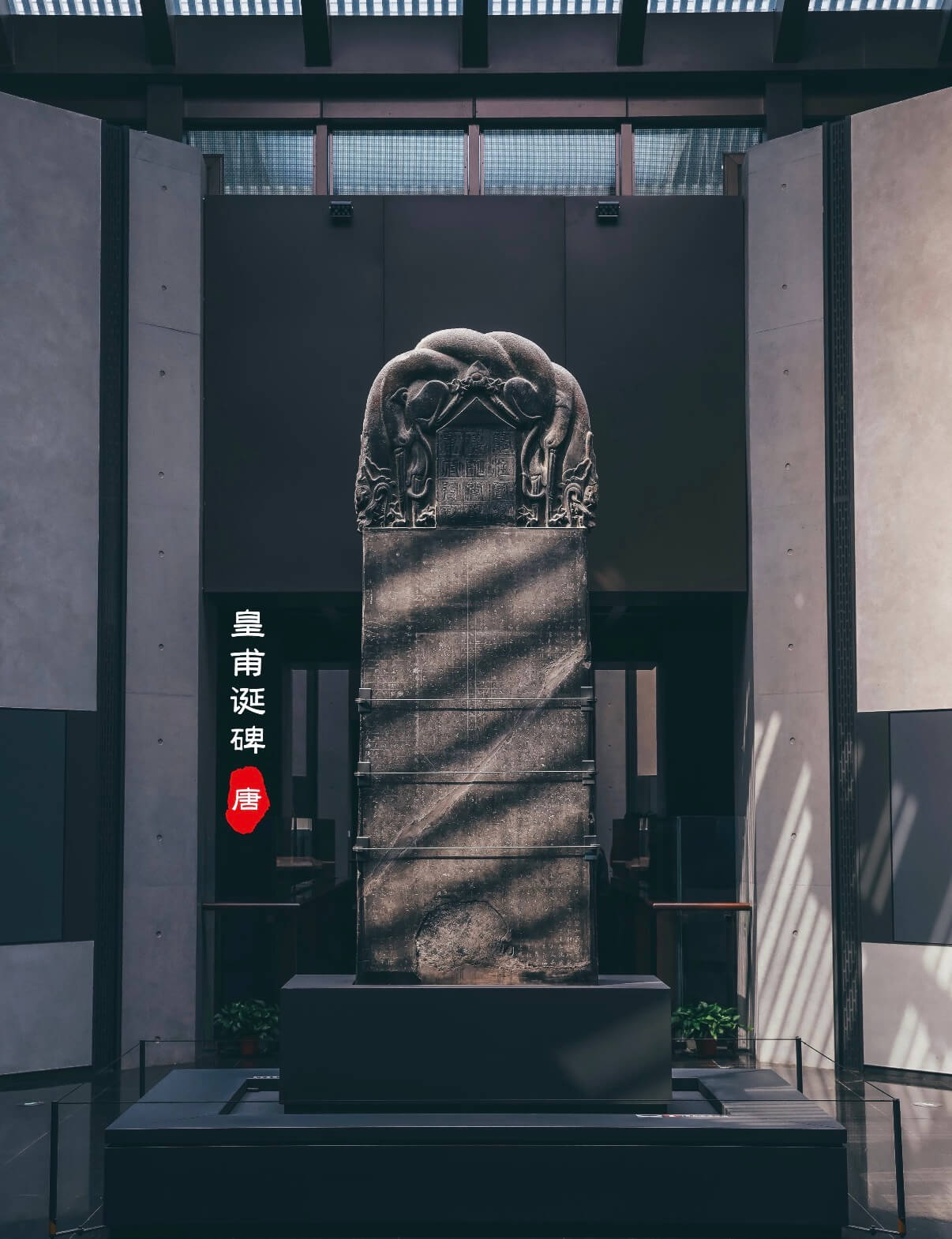
Stele of Huangfu Dan (皇甫诞碑): One of the representative works of Ouyang Xun's regular script. North Zone, 1st Floor, West Gallery.
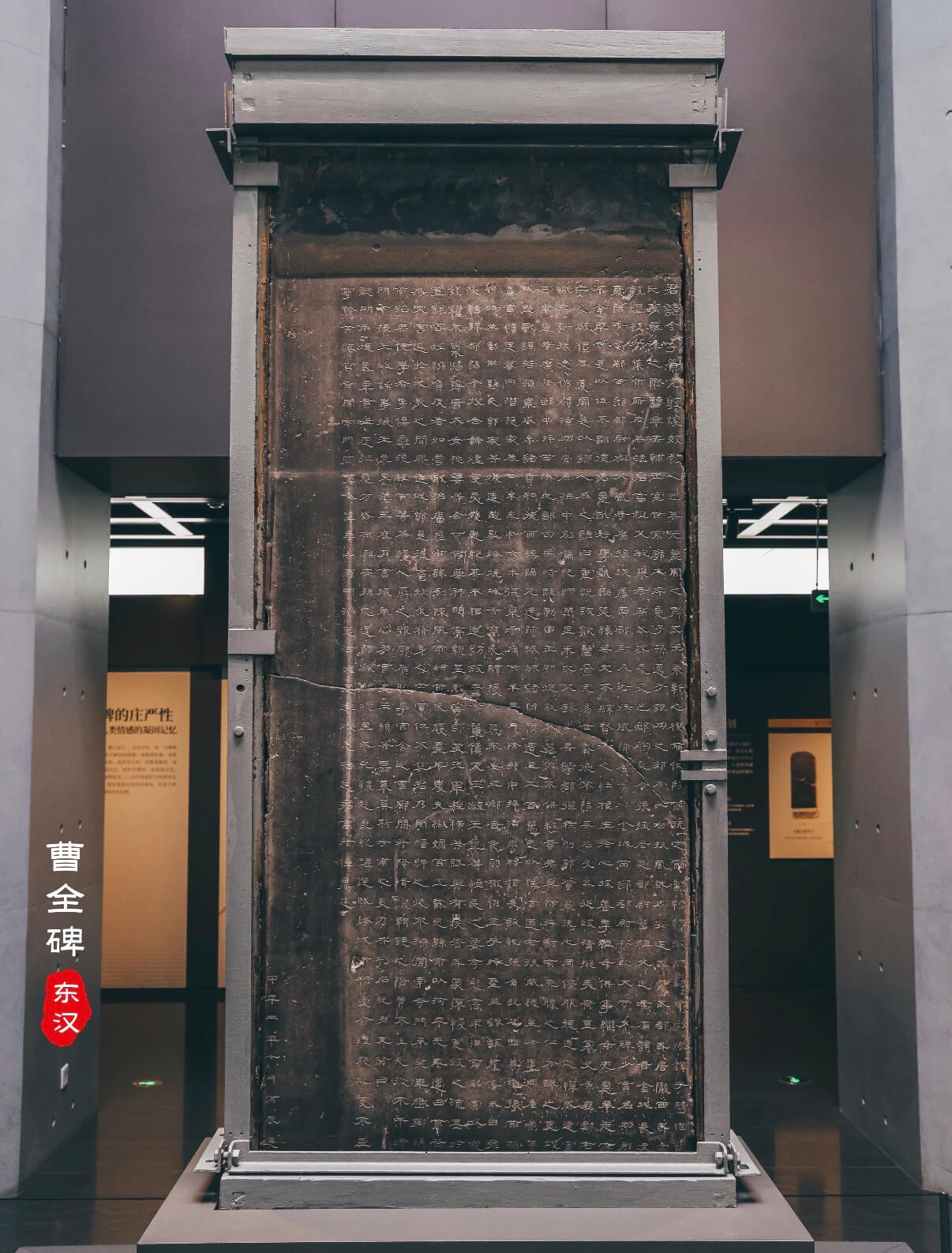
Stele of Cao Quan (曹全碑): A pinnacle of Eastern Han Dynasty clerical script, known as the "First Beauty of Han Clerical Script". North Zone, 1st Floor, West Gallery.
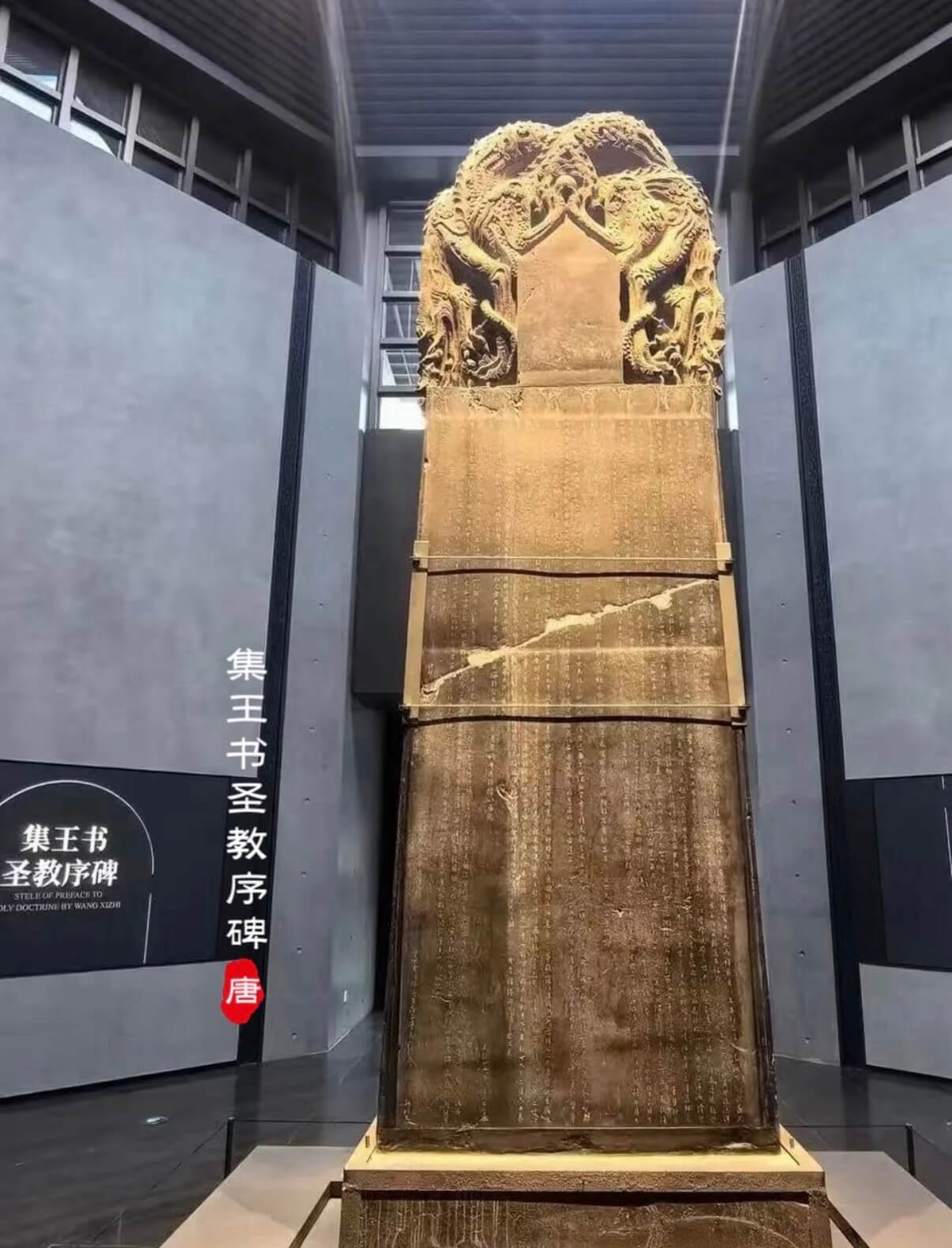
Stele of Shixu Wangshu Shengjiao Xu (集王书圣教序碑): Compiled by Huairen over 25 years from Wang Xizhi's authentic works; all 1,903 characters capture the essence of Wang's calligraphy — a "model for a hundred generations". North Zone, 1st Floor, West Gallery.
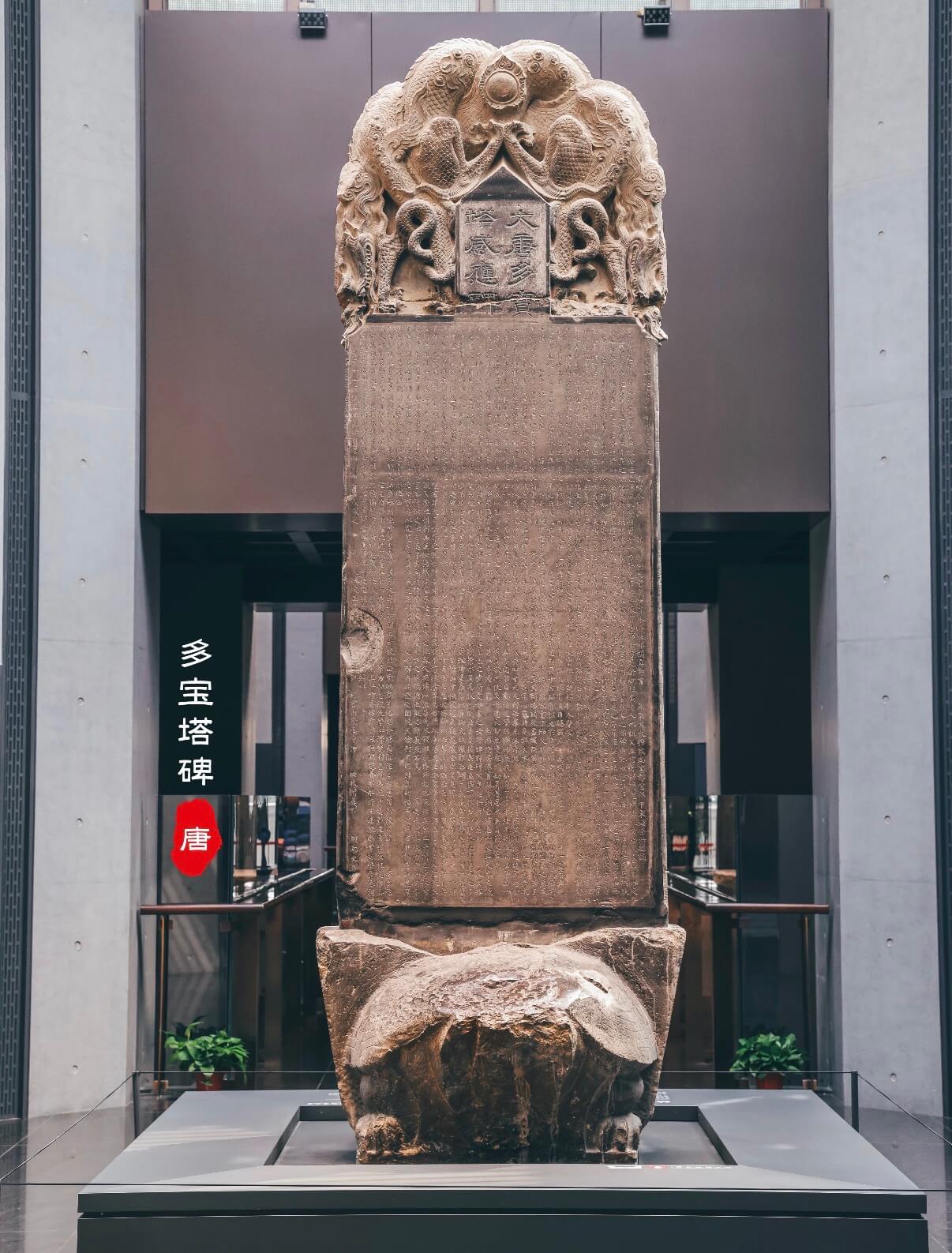
Duobaota Stele (多宝塔碑): Representative work of Yan Zhenqing's early regular script. North Zone, 1st Floor, East Gallery.
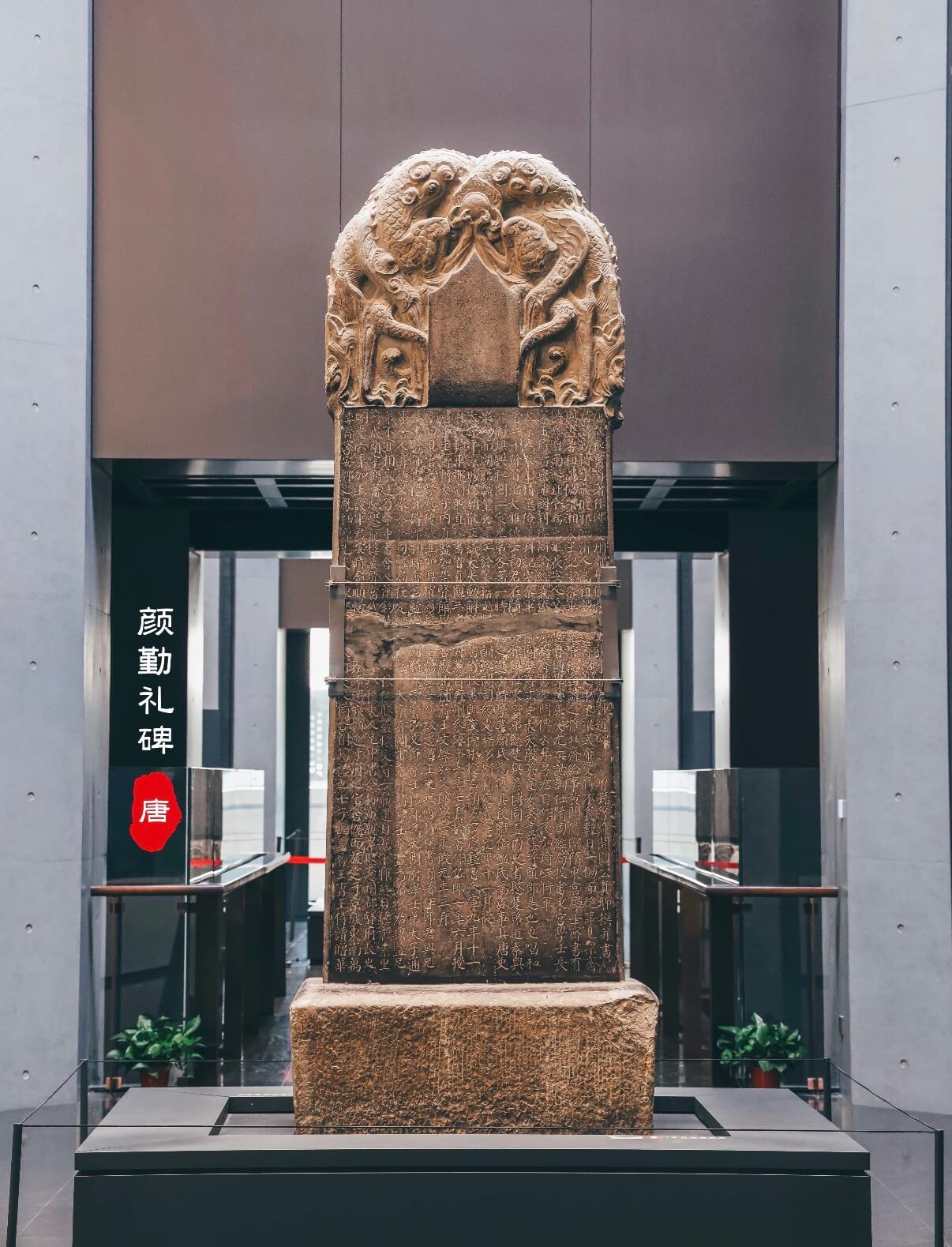
Yanqinli Stele (颜勤礼碑): Pinnacle of Yan Zhenqing's late regular script. North Zone, 1st Floor, East Gallery.
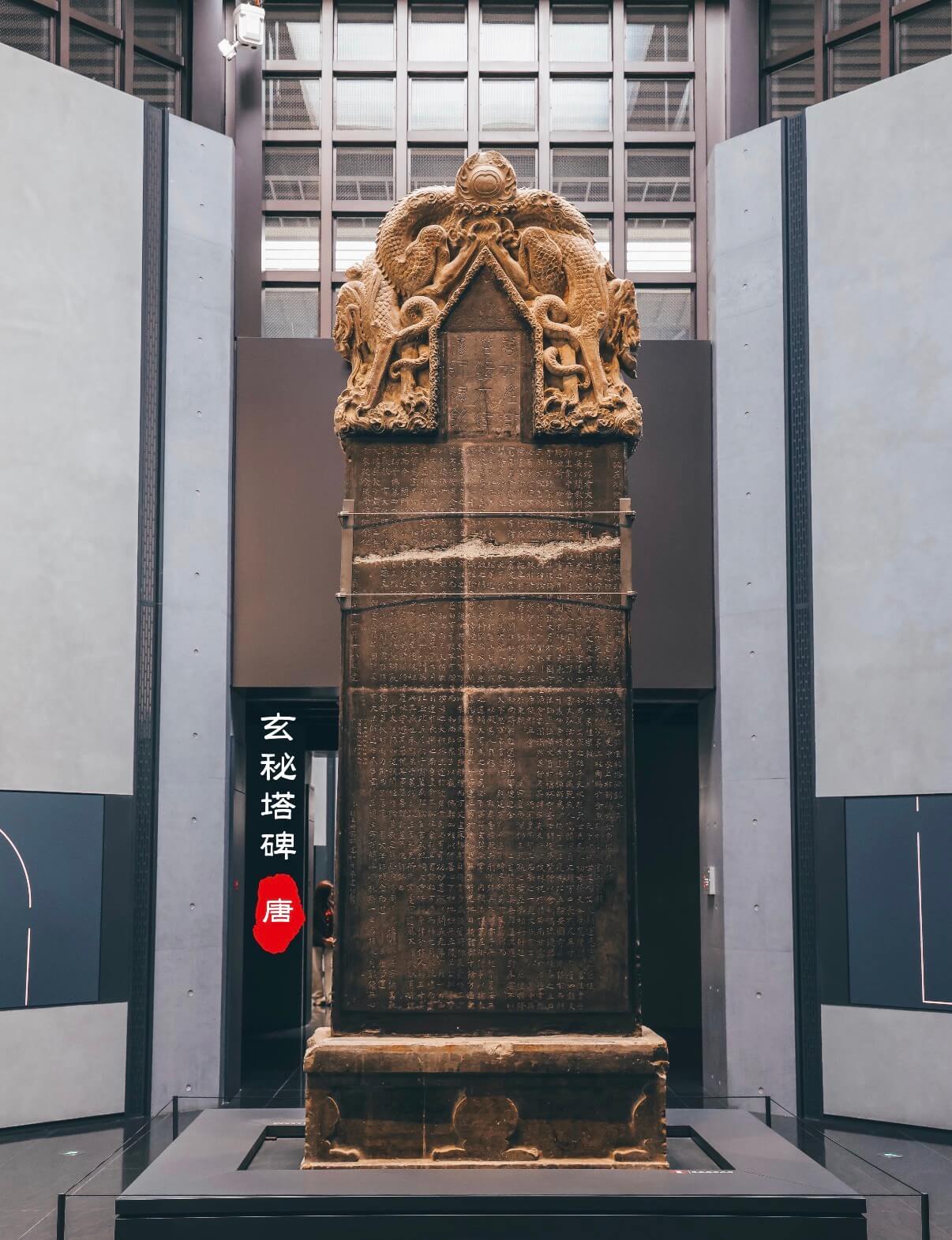
Xuanmita Stele (玄秘塔碑): Pinnacle of Liu Gongquan's mature regular script. North Zone, 1st Floor, East Gallery.
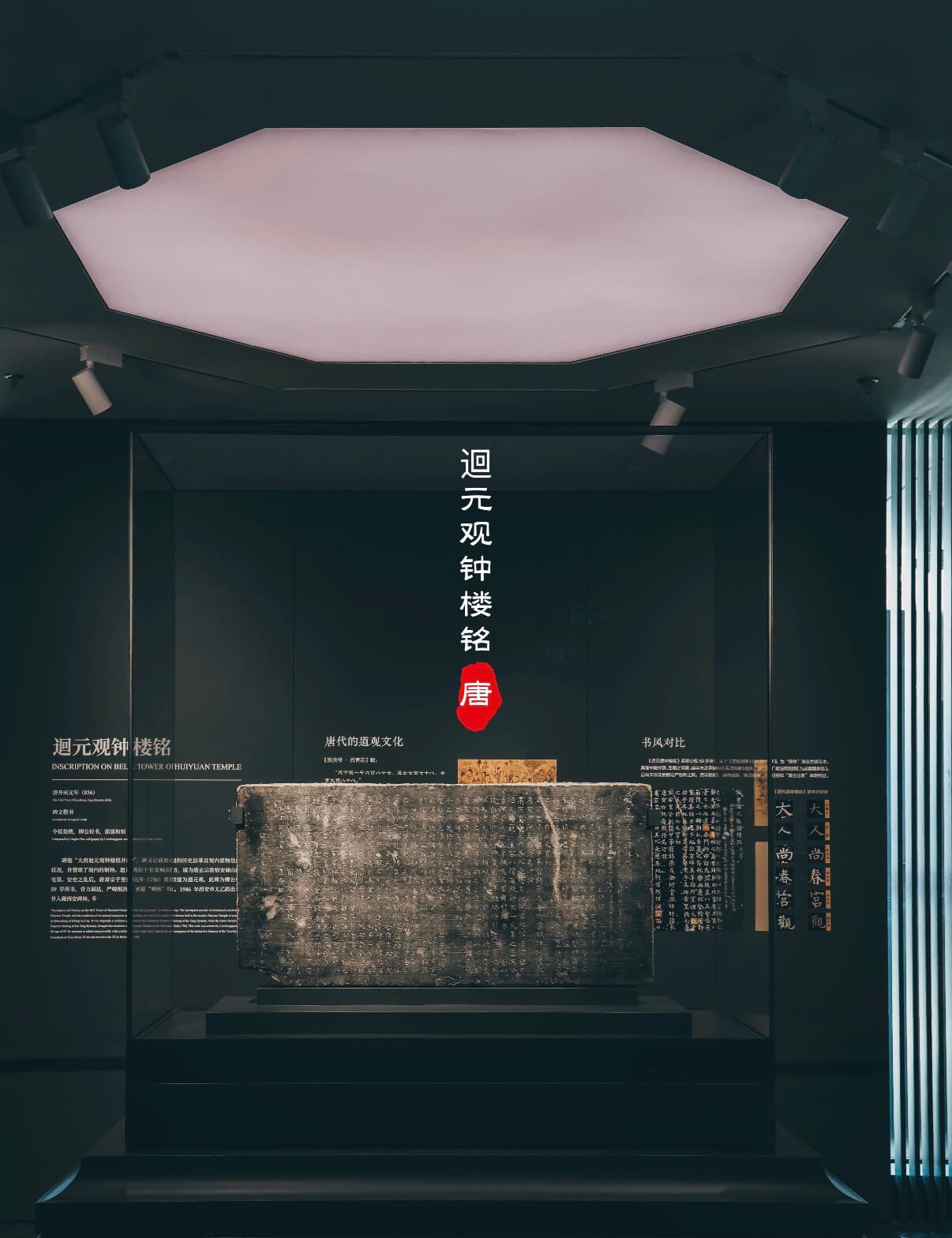
Huiyuan Bell Tower Inscription (迴元观钟楼铭): One of the most complete surviving regular script steles by Liu Gongquan. North Zone, 1st Floor, East Gallery.
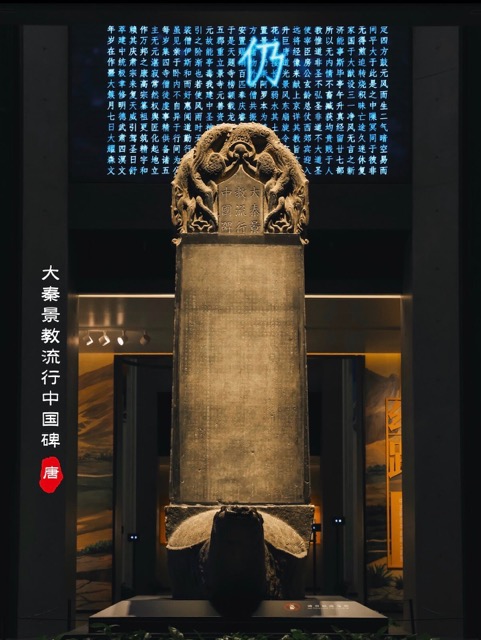
Stele of the Nestorian Religion Spreading in China (大秦景教流行中国碑): The earliest evidence of early Christianity entering China; one of the "Four Great Steles" in world archaeological discovery history. North Zone, B2.
Tips: One of the 195 artifacts prohibited from leaving China.
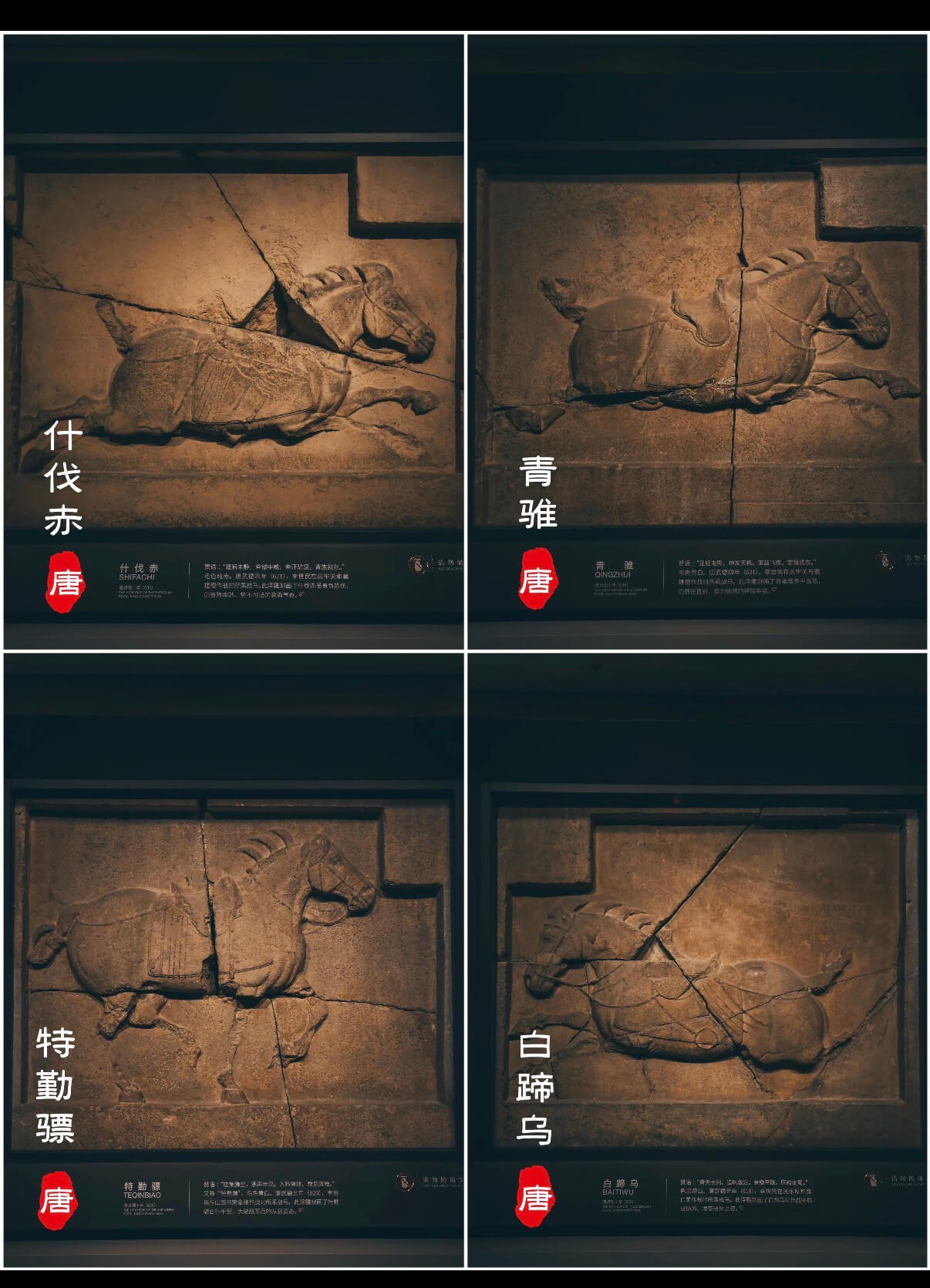
Zhaoling Six Steeds (昭陵六骏): Six horse relief sculptures from the mausoleum of Emperor Taizong Li Shimin of Tang. Four horses are now in the Beilin Museum; two — "Saluzi (飒露紫)" and "Quanmaigua (拳毛䯄)" — were stolen in 1914 and are now at the University of Pennsylvania Museum of Archaeology and Anthropology in the USA. North Zone, B2.
Tips: One of the 195 artifacts prohibited from leaving China.
Jingyun Bell (景云钟)
Daxia Stone Horse (大夏石马)
Shitai Xiaojing Stele (石台孝经)
Kaicheng Stone Classics (开成石经)
Stone Rhinoceros (石犀)
Li Shou's Stone Sarcophagus (李寿石椁)
Statue of Lao Jun (老君像)
Stele of Huangfu Dan (皇甫诞碑)
Stele of Cao Quan (曹全碑)
Stele of Shixu Wangshu Shengjiao Xu (集王书圣教序碑)
Duobaota Stele (多宝塔碑)
Yanqinli Stele (颜勤礼碑)
Xuanmita Stele (玄秘塔碑)
Huiyuan Bell Tower Inscription (迴元观钟楼铭)
Stele of the Nestorian Religion (大秦景教流行中国碑)
Zhaoling Six Steeds (昭陵六骏)
Detailed Information
Location
No.15 Sanxue Street, Beilin District, Xi'an, Shaanxi Province
Opening Hours
8:00 - 18:30 (peak season)
8:30 - 18:00 (off-season)
Best Time to Visit
Year-round
Combine with Muslim Quarter visit
Tickets
CNY 85 per person
Rubbing samples available for purchase
Reservation Information
No reservation needed
Look for expert guides inside
Transportation
Metro Line 2 to Nanshaomen Station
Bus 21, 29, 40, 46, 204
Expert Guides
Discover our comprehensive travel guides for Xi'an